
What is Sound healing Therapy
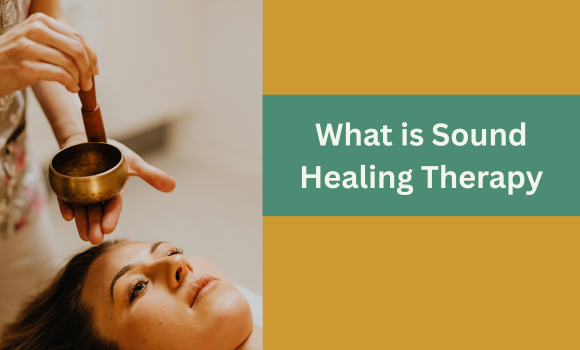
What is sound healing therapy?

Sound healing therapy is an ancient practice of healing that utilizes the vibrational qualities of sound to restore balance and harmony within the mind, body, and spirit. It is mostly used for healing, relaxation and self-care by many people.
The sound healing therapy is based on the belief that everything in the universe, including our bodies, is made up of energy and has its unique frequency. When we experience physical or emotional distress, these frequencies can become imbalanced, leading to disharmony and illness. The sound healing therapy aims to restore the natural balance within the body.
Tools used for sound healing therapy

The wide range of tools used for sound healing therapy depends on each expert’s professional background, intuition and creativity. The most common instruments used in therapy are gongs, Tibetan bowls, singing bowls, drums, tuning forks and even the human voice. Each instrument has a distinct function. Almost any instrument can be utilized in sound healing if used with the right intention.
Benefits of sound healing
In today’s fast-paced world, stress and anxiety have become common. Sound healing therapy provides a safe space for relaxation and rejuvenation, with soothing sounds and vibrations that calm the nervous system, lower heart rate and blood pressure, and release tension, allowing the mind and body to enter a state of deep relaxation. Sound also has a profound impact on our emotions.
Sound healing therapy offers several benefits to our mind and body. These healing techniques are easily accessible to a wide range of people. Apart from that, sound healing is a non-invasive therapy as well. Hence, it is a safe choice for people seeking alternative or complementary treatments. This therapy has many benefits, as follows:
Scientific benefits of sound healing:
Spiritual benefits of sound healing:
Healing always helps with more spiritual awakening. Here are the 5 spiritual benefits of sound healing:
- Meditation & Consciousness
The sound healing helps to shift brainwaves by using instruments. It improves meditation, awareness and spiritual realms.
- Balance Chakra & Energy Alignment
The frequency of sound helps to balance the body’s chakras by clearing blockages of energy for spiritual awakening.
- Emotional Release & Purification
The vibration can recall and release the trapped emotions. It makes a person free from old wounds and helps in the process of spiritual growth.
- Strong Intuition & Spiritual Connection
Sound healing helps to clear energy blocks and raise spiritual awareness. It enables a stronger sense of institution and inner guidance.
- Self-Discovery
Healing often stimulates inner work, reflecting the purpose of life. It leads you on the way to self-discovery.
Scientific benefits of sound health
- Stress Deduction & Relaxation
Sound healing lowers cortisol levels, slows heart rate and blood pressure. It activates the nervous system for relaxation. The frequencies reduce the feeling of tension and anger.
- Pain Reduction & Physical Healing
Clinically, Vibroacoustic therapy helps to reduce chronic pain by stimulating endorphins. It improves circulation and reduces inflammation along with the recovery of muscle and joint pain.
- Improved Emotional & Mental Health
Sound healing therapy helps to reduce symptoms of anxiety, depression, and mood disorders. Research shows that it helps with emotional regulation. It helps to release emotional blockages and create a safe space.
- Enhanced Sleep Quality
Sound healing promotes brainwave, which makes it easy to fall asleep with deeper sleep. Clinically, it has been proven that listening to delta frequency improves sleep duration.
- Brainwave Entrainment
Scientific reviews claim that brainwave entrainment improves cognition, attention, memory recall, and mood regulation. Brainwave entrainment shifts neural activity from stress to calm.
Sound healing side effect.
Sound healing is regarded as safe and beneficial for everyone. But individual response can vary according to how the sound affects the brain and sensory systems. It’s best to approach mindfully and progressively.
Dizziness and Nausea
For some, the deep tones of a singing bowl can feel grounding. For others, it’s like standing on a rocking boat. If you’re prone to motion sickness or vertigo, sound healing can make you feel like you just stepped off a rollercoaster you didn’t even sign up for.
• Who’s at risk? People with motion sickness, Ménière’s disease, or a history of vertigo.
• How to avoid it? Start with softer tones and shorter sessions. If you feel dizzy, take a break and ground yourself.
Headaches
If the tones are particularly loud, high-pitched, or prolonged, they may cause tension rather than relief. The brain, especially in those sensitive to sound, can become overwhelmed by excessive auditory input, leading to headaches, eye strain, or general discomfort.
• Who’s at risk? People prone to migraines, those with heightened sound sensitivity, or anyone who experiences sensory overload easily.
• How to avoid it? Start with lower volumes and softer frequencies, and don’t be afraid to ask a practitioner to turn it down if it feels too intense.
Conclusion
Sound healing is an effective and nature-friendly healing method. It heals the soul, mind and body. Sound healing therapy is also good for people who are dealing with mental health problems. It doesn’t have side effects at all, but for some people it can cause problems. If any inconvenience happens, then please contact an expert sound healing therapist.
Leave A Comment